Doors as Thresholds
In contemporary Interior architecture, doors are frequently relegated to functional utility: a mechanical necessity for dividing spaces, ensuring acoustic privacy, or delineating rooms. Yet, through an architectural lens, the doorway remains one of the most psychologically resonant elements in a spatial design. It functions as a physical threshold: a deliberate pause, a philosophical invitation into a new environment, and the final tactile memory a space leaves upon departure.
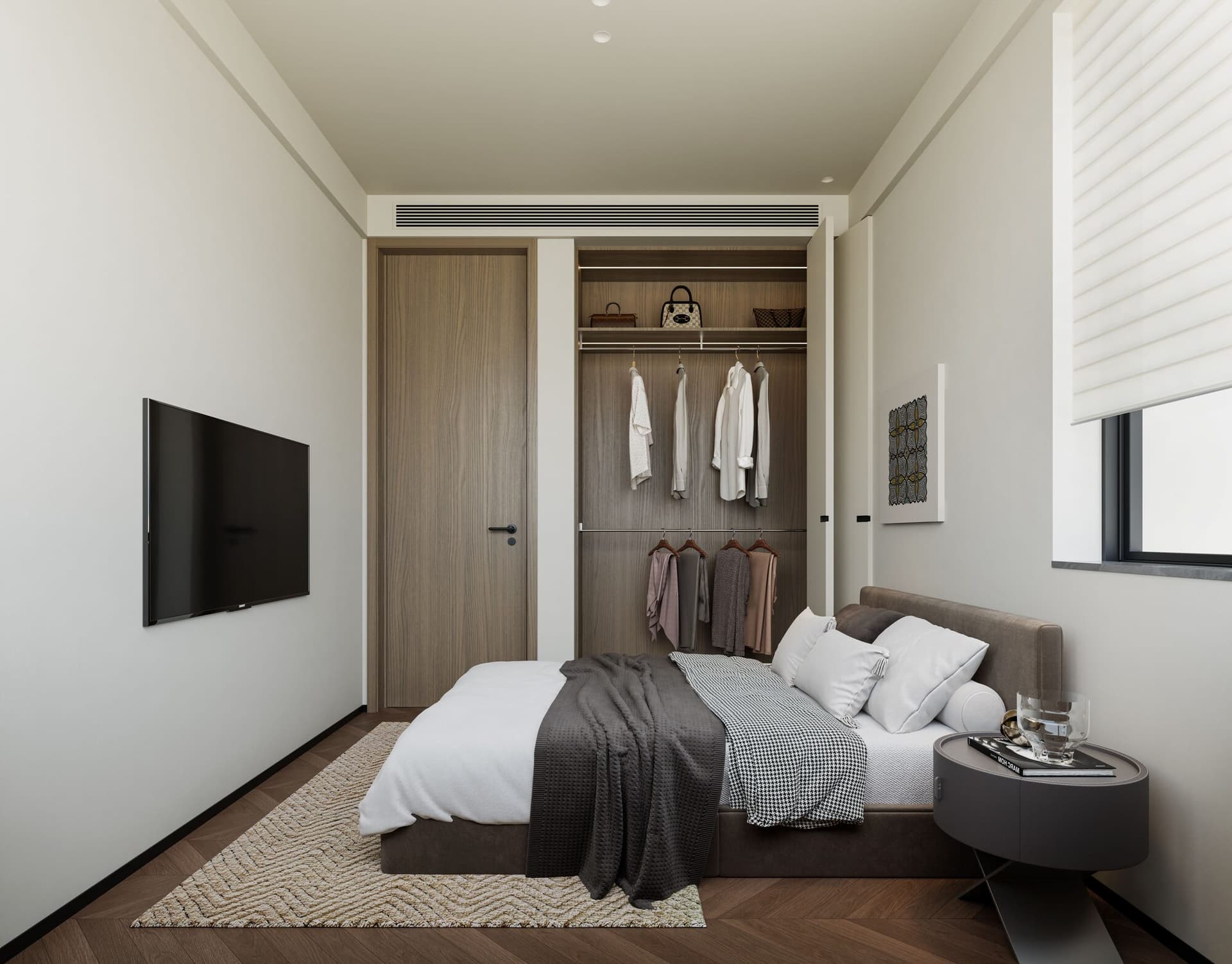
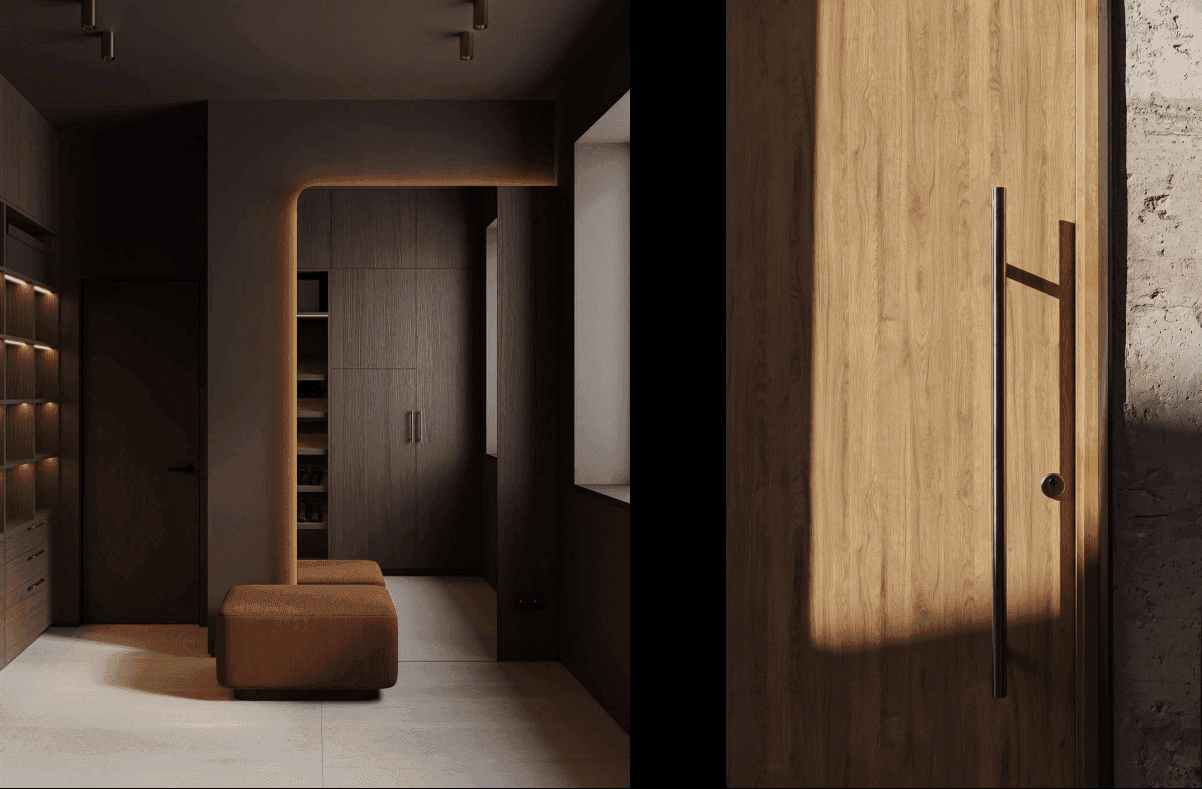
Because doors are encountered at intimate touchpoints throughout the day, the selection of surface material dictates how an interior communicates its character. Contemporary decorative paneling offers a versatile palette far beyond traditional timber, encompassing rich organic wood grains, supple leather textures, tactile woven fabrics, and refined solid mattes. Designers leverage this material breath to shape spatial intent. A surface can be specified to match surrounding walls for absolute continuity and concealment, or deployed as a striking contrast, using shifting textures or tones to articulate a distinct boundary or frame a perspective.

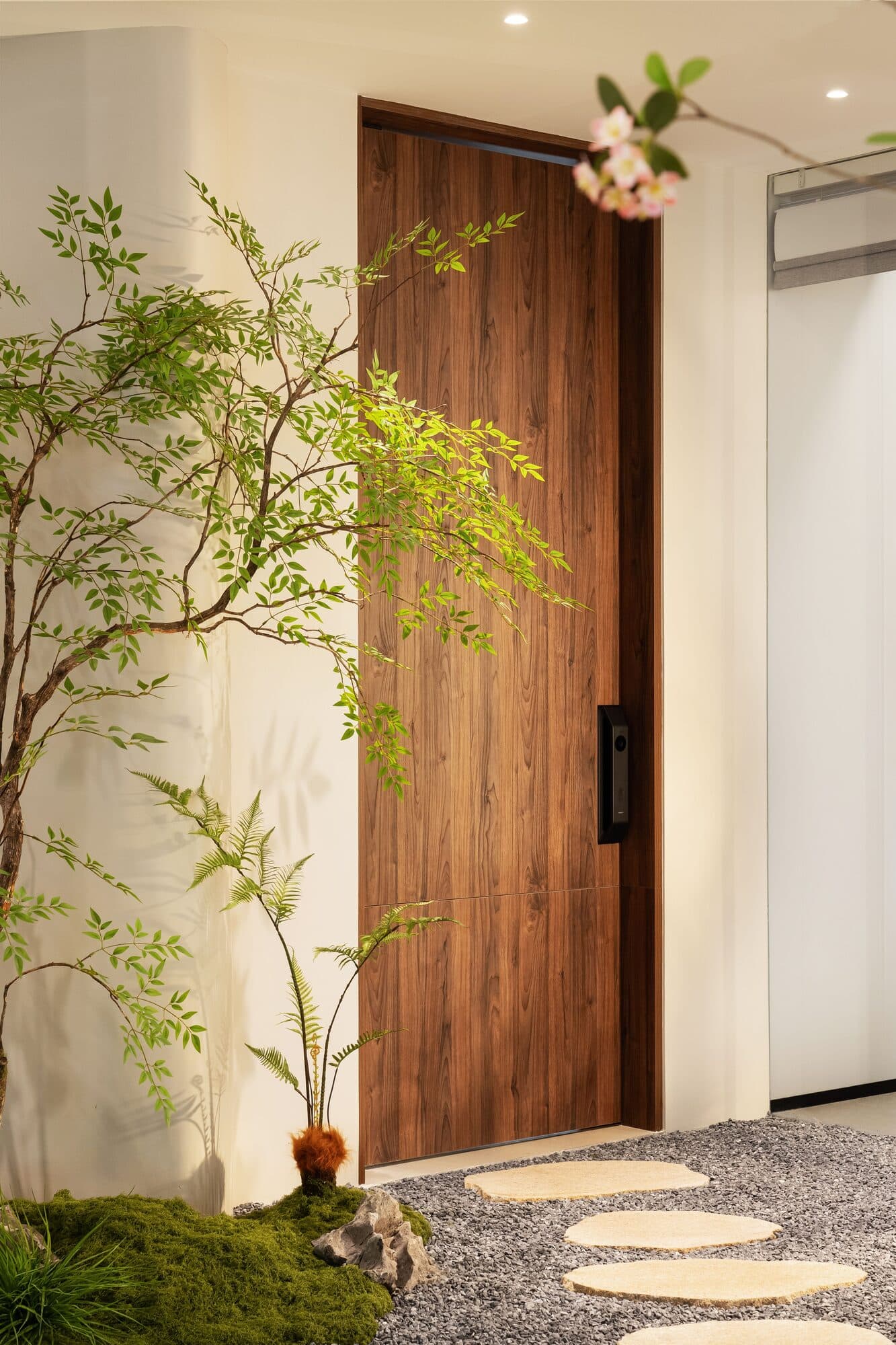
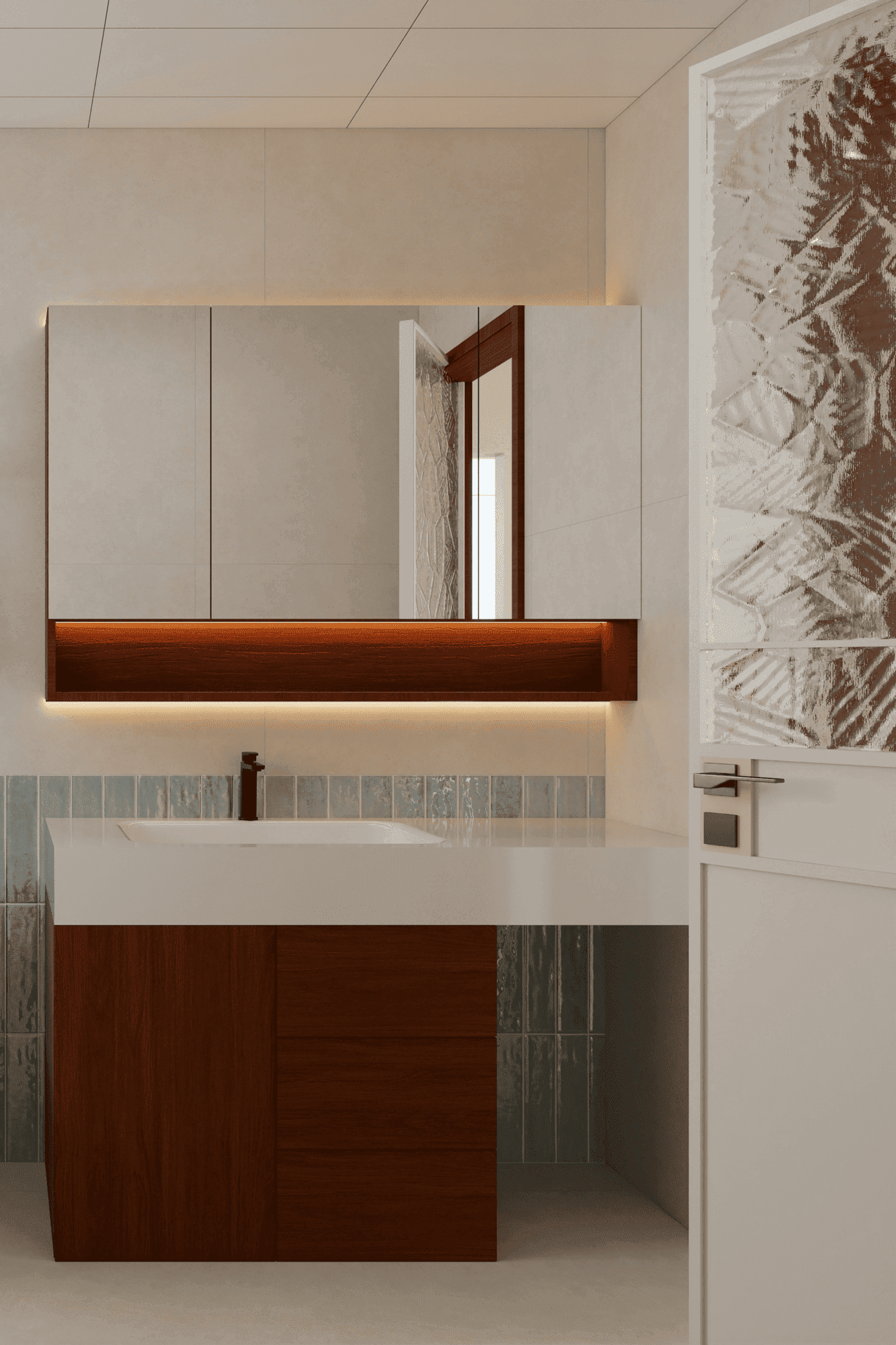
Realizing this level of architectural integration relies heavily on precision in surface engineering, color consistency, and edge execution. Detailing a passage becomes an exploration of depth, where the reveal of the frame establishes a tactile transition between zones. Whether working with a matte solid hue, a technical textile finish, or a deep grain, surface integrity and seam craftsmanship are paramount. Perfectly matched edge banding ensures that as a door moves through its arc, the transition from the face panel to the exposed edge maintains a solid, uninterrupted visual rhythm.
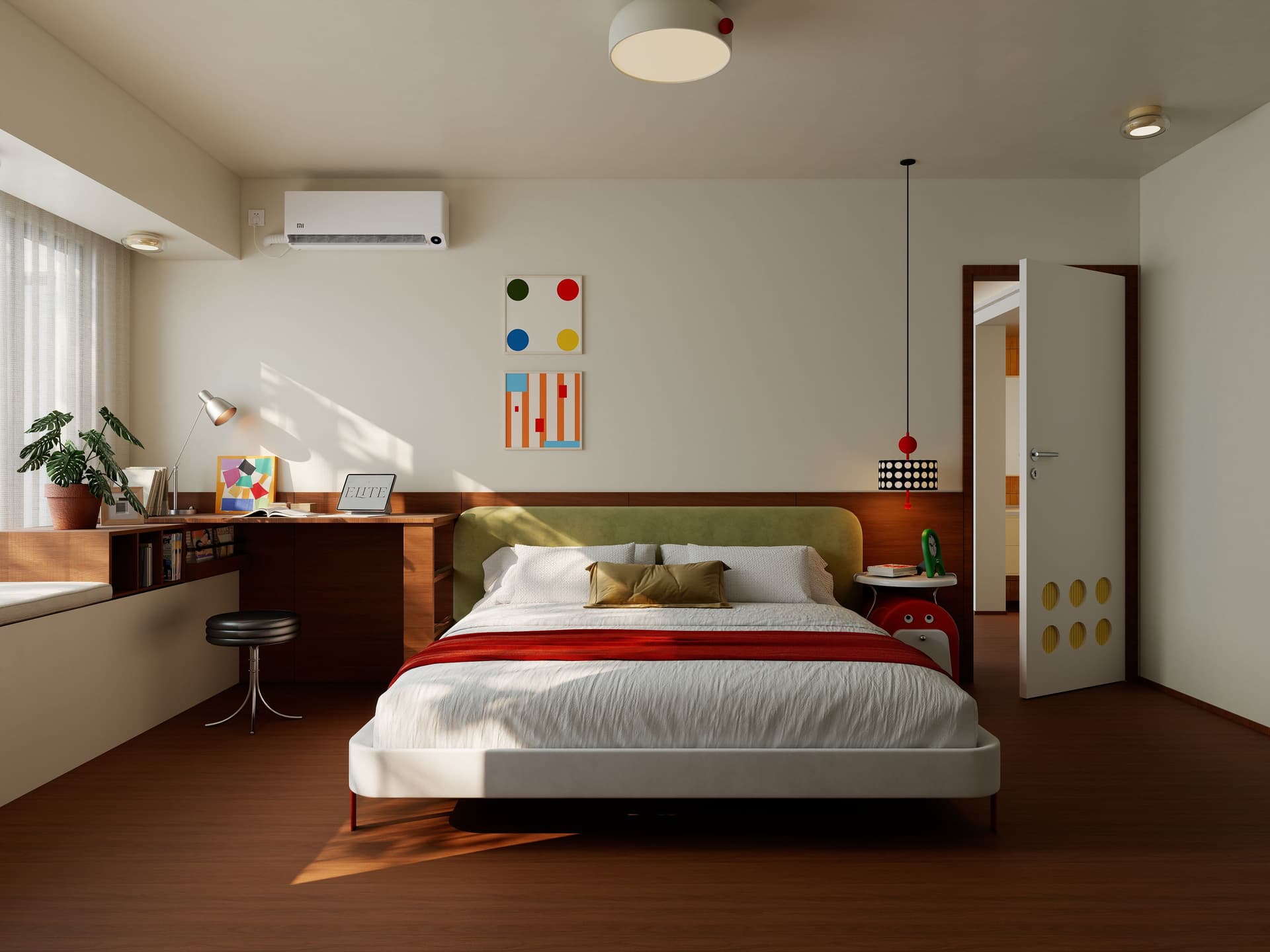
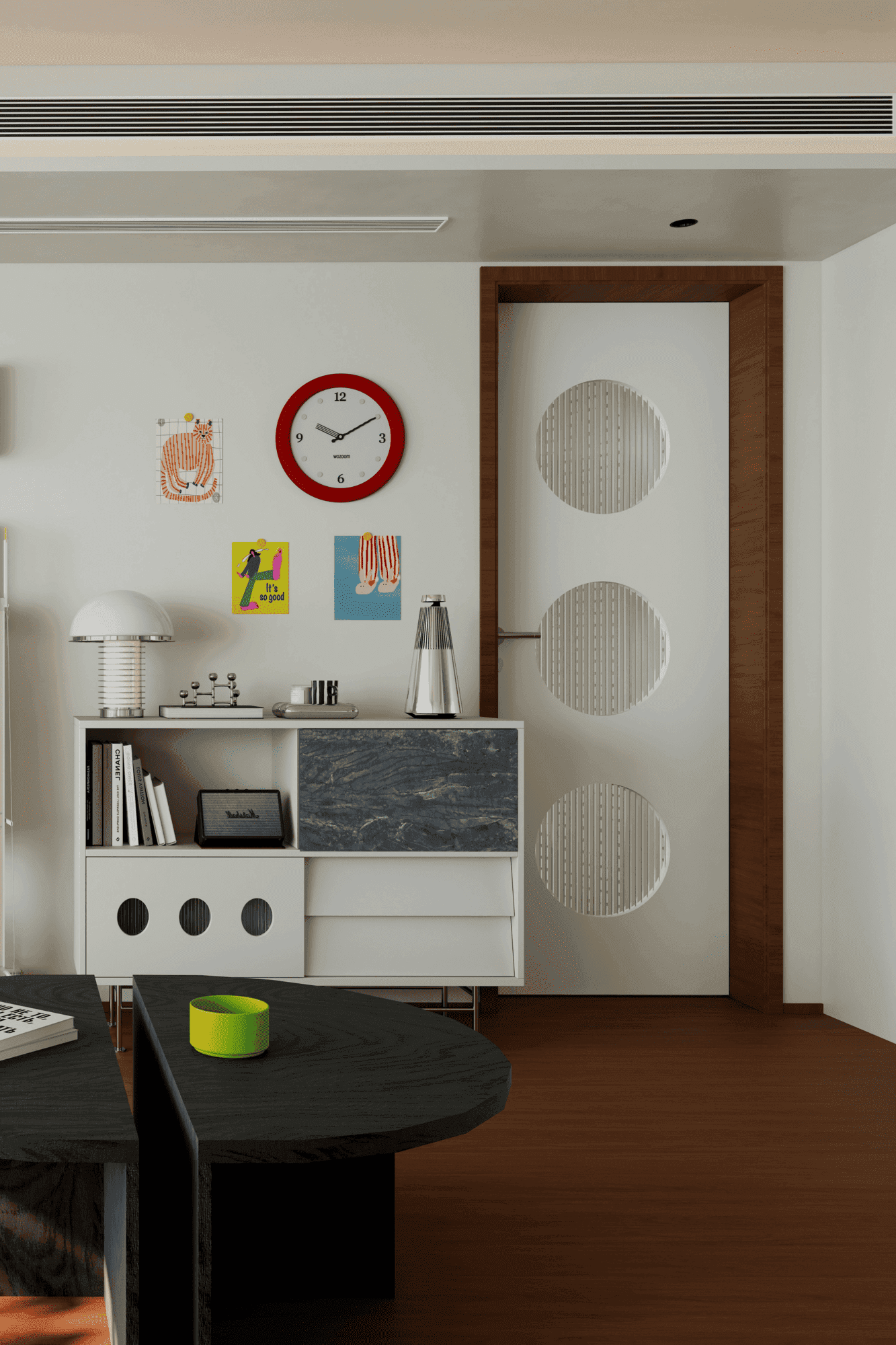
In expansive residential and hospitality concepts, diverse material collections allow door assemblies to either dissolve into unified millwork or stand as intentional design statements. Crisp designs with geometric cutouts introduce play with light and shadow, while rich timber textures or tactile solid surfaces anchor the spatial palette. Treating the door leaf as an architectural canvas allows interiors to curate precisely how a room introduces itself, and how it lingers in the senses long after leaving.

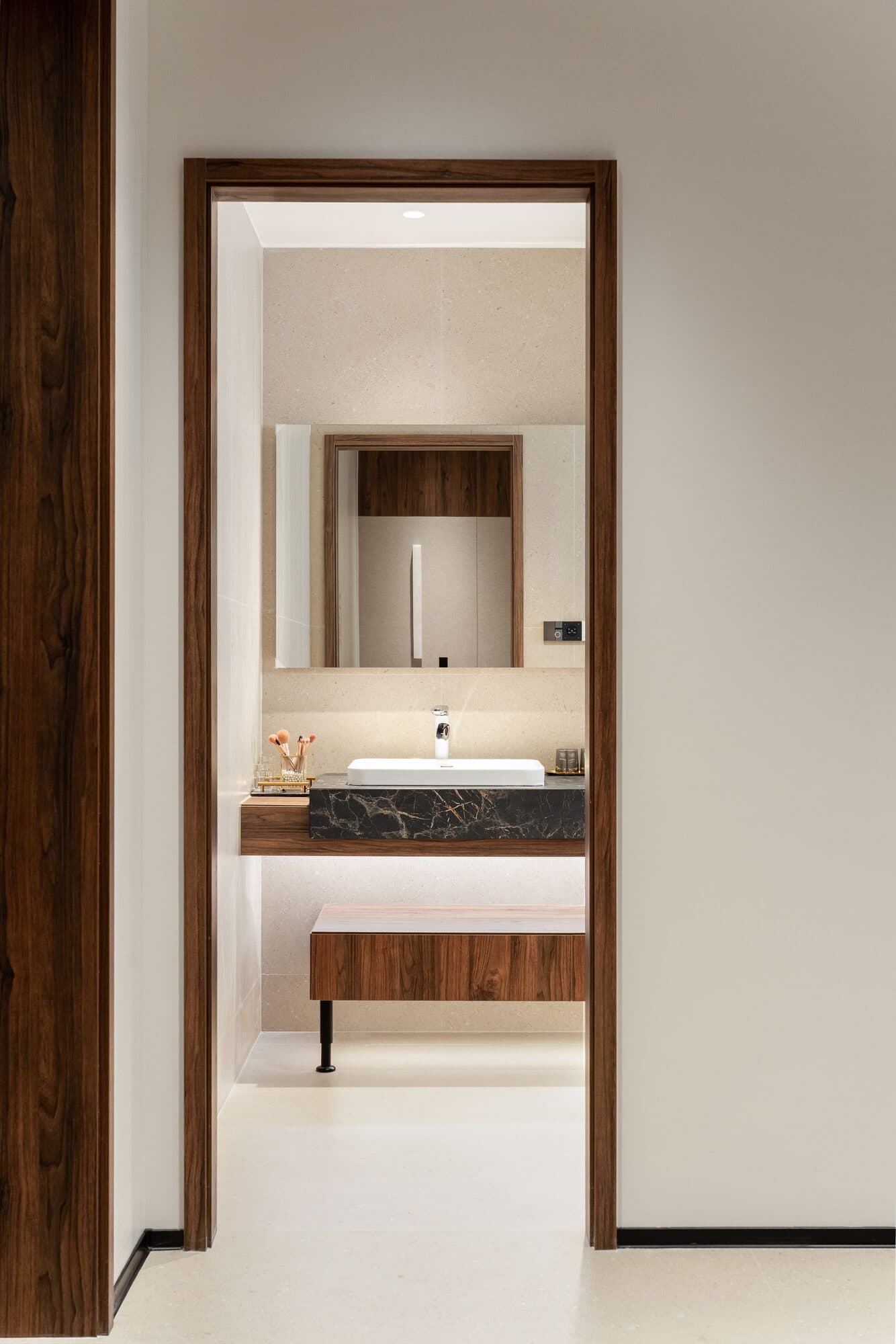
By engaging with surface versatility, rich tactile finishes, vertical proportion, and immaculate edge detailing, spatial transitions transcend mere utility to become defining expressions of modern design.